Introduction
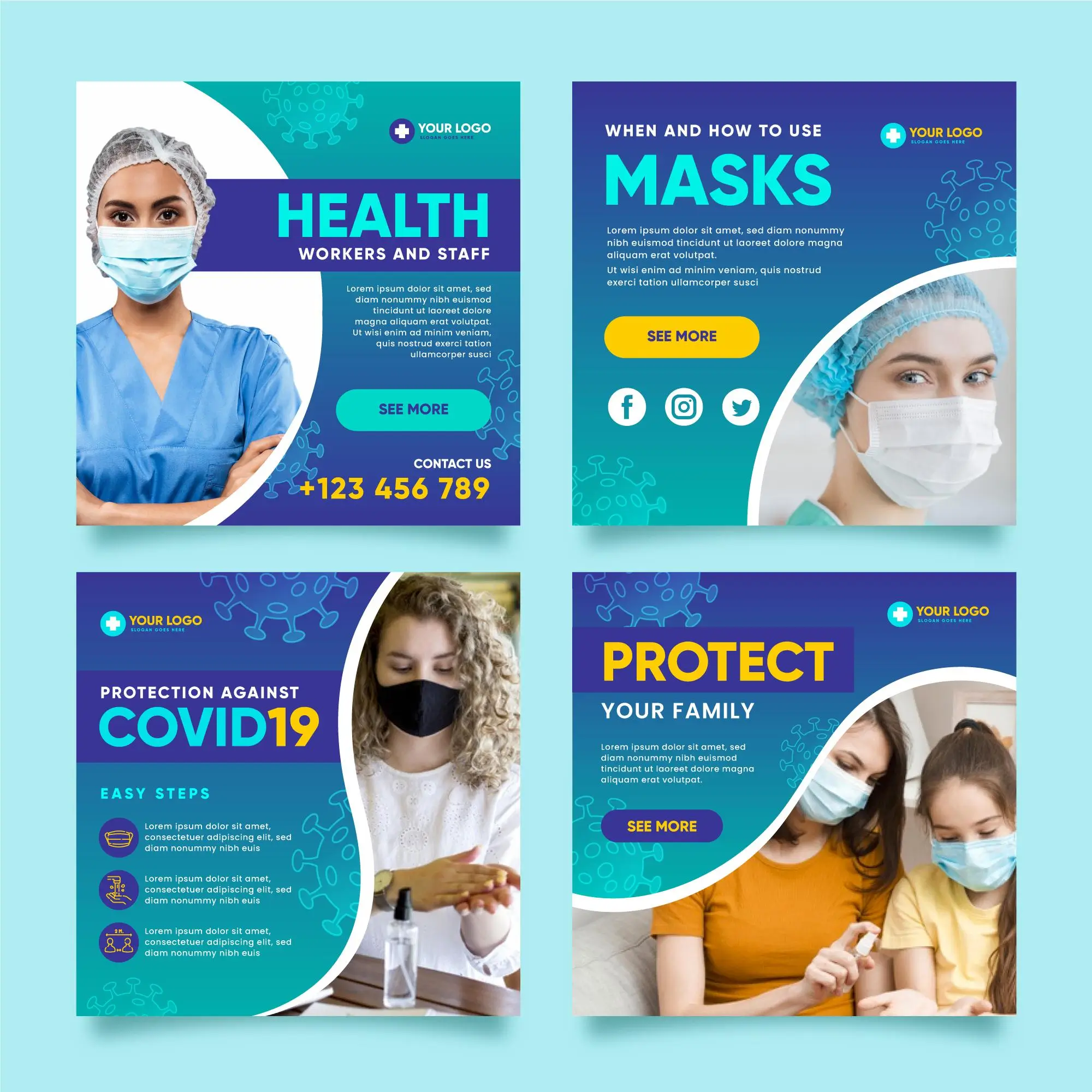
Social media has become a critical communication channel for hospitals in Kenya. Patients now turn to platforms like Facebook, Instagram, LinkedIn, and X not only for updates, but also for health education, trust signals, and reassurance before choosing a healthcare provider.
For hospitals, social media is no longer about visibility alone. When used strategically, it becomes a powerful tool to boost patient engagement, strengthen trust, and improve long-term relationships. This article explores how hospitals can use social media effectively to engage patients while maintaining professionalism and credibility.
Why Patient Engagement Matters for Hospitals
Engaged patients are more likely to:
Trust hospital services
Follow medical advice
Return for follow-up care
Recommend the hospital to others
Social media supports engagement by enabling two-way communication, timely information sharing, and human connection. When aligned with structured campaigns, social media contributes directly to patient satisfaction and brand equity.
1. Use Social Media for Patient Education, Not Promotion
Hospitals that focus only on promotions struggle to gain trust. Educational content performs significantly better.
High-impact content includes:
Preventive health tips
Awareness campaigns (e.g. diabetes, cancer screening)
Common condition explainers
Myth-busting medical facts
Clear and responsible messaging and content creation positions hospitals as reliable sources of health information rather than advertisers.
2. Humanize the Hospital Through Storytelling
Patients connect with people, not buildings.
Hospitals can humanize their brand by sharing:
Doctor and nurse profiles
Behind-the-scenes hospital operations
Community outreach initiatives
Patient success stories (with consent)
This approach builds emotional connection and reduces anxiety around care.
3. Choose the Right Platforms for the Right Audience
Not all platforms serve the same purpose.
Facebook & Instagram: Community engagement, health education, awareness
LinkedIn: Corporate credibility, partnerships, medical leadership
X (Twitter): Timely updates and public health communication
A focused digital marketing strategy ensures hospitals invest in platforms that align with patient behavior.
4. Encourage Two-Way Communication
Patient engagement increases when hospitals listen — not just speak.
Best practices include:
Responding to comments and messages professionally
Answering general health questions (without diagnosis)
Acknowledging feedback and reviews
Even simple responses show accessibility and care, reinforcing trust.
5. Integrate Social Media With Direct Patient Outreach
Social media should support — not replace — direct communication.
Hospitals can:
Share social posts through WhatsApp or SMS links
Use social platforms to reinforce appointment reminders
Drive traffic to patient resources and booking pages
This integration strengthens direct marketing efforts and improves consistency across touchpoints.
6. Visual Quality Builds Credibility
In healthcare, perception directly influences trust.
Professional creative design improves:
Content clarity
Brand consistency
Patient confidence
High-quality digital creative ensures social media visuals reflect the hospital’s standards of care.
7. Promote Community and On-Ground Initiatives
Hospitals often run community programs that deserve visibility.
Examples include:
Free screening days
Medical camps
Health awareness events
Sharing these initiatives — supported by professional event branding — reinforces the hospital’s commitment to public health and community care.
8. Measure Engagement, Not Just Followers
Follower counts do not equal impact.
Hospitals should track:
Post engagement rates
Message and inquiry volume
Content saves and shares
Website traffic from social media
These metrics indicate whether content is resonating and building real patient relationships.
Common Social Media Mistakes Hospitals Make
Over-posting promotions
Ignoring comments or messages
Inconsistent posting
Poor visual quality
Sharing medical advice without disclaimers
Effective hospital social media is educational, consistent, and patient-focused.
Conclusion
Social media offers hospitals in Kenya a powerful opportunity to engage patients, build trust, and strengthen long-term relationships. When used responsibly and strategically, it supports patient education, enhances brand credibility, and complements broader healthcare marketing efforts.
The most successful hospitals treat social media as a communication channel, not an advertising board.
🏥 Ready to Improve Patient Engagement Through Social Media?
Suave Marketing helps hospitals in Kenya design ethical, engaging, and performance-driven social media strategies that build trust and connect meaningfully with patients.
👉 Contact Suave Marketing today and let’s create social media that truly serves your patients.